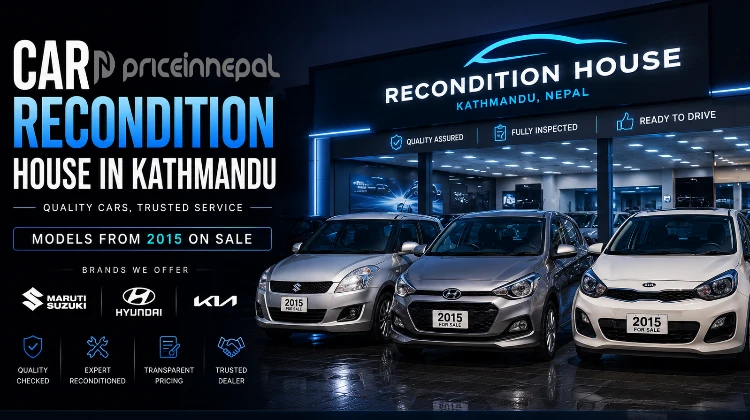
The used car market in Nepal, particularly in the Kathmandu Valley, is currently facing an unprecedented slowdown. Recondition houses—the local term for used car dealerships—are reporting a significant accumulation of inventory with very few buyers in sight. What was once a vibrant sector where vehicles moved quickly from showroom to driveway has transformed into a stagnant market, leaving business owners grappling with the reality of shifting consumer preferences and economic pressures.
The Current State of the Used Car Market in Kathmandu
With over four dozen companies operating in the Kathmandu Valley alone, the competition to move inventory has always been high. However, the current climate is distinct. Dealers have invested significant capital into acquiring pre-owned vehicles, yet these cars are now sitting idle for months. In the past, smaller, budget-friendly vehicles would rarely stay on a showroom floor for more than a day or two. Today, those same vehicles are languishing in storage, waiting for buyers who are increasingly hesitant to commit.
The Shift Toward Electric Vehicles (EVs)
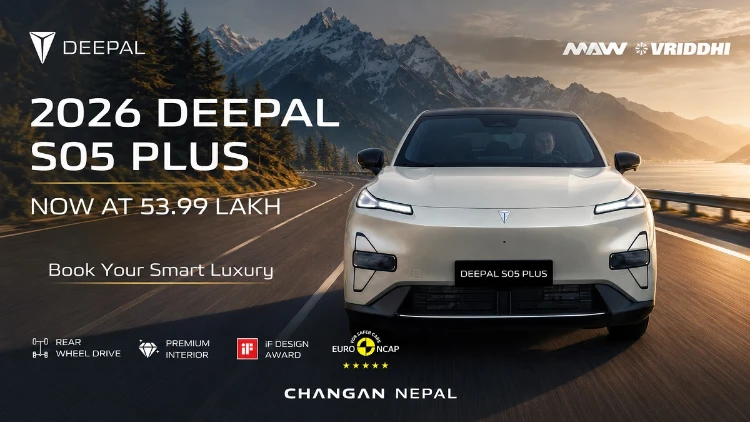
The primary driver behind this market shift is the rising cost of petroleum products. As fuel prices continue to climb, the cost of operating an internal combustion engine (ICE) vehicle has become a major burden for the average Nepali household. Consequently, there has been a massive pivot toward electric vehicles (EVs). Consumers are finding that the monthly savings on fuel are often enough to cover the monthly installment payments for a new EV, making the transition to electric mobility a financially sound decision.
“The cost of fuel has made it difficult to justify owning a traditional car. People are choosing to invest in new EVs instead of buying used petrol vehicles, which has left our showrooms full,” notes Shailendra Shrestha of Kathmandu Automobiles.
Impact on Premium and Large-Engine Vehicles
The downturn is particularly severe for premium and large-engine vehicles. Models such as the Mitsubishi Pajero, Jeep Compass, Ford Endeavour, and Toyota Fortuner are seeing almost zero demand in the recondition market. Dealers report that these vehicles are essentially unsellable in the current climate. While private peer-to-peer sales might occasionally occur, the traditional showroom model for these high-end, fuel-thirsty machines has effectively collapsed.
| Vehicle Category | Market Demand | Primary Reason for Decline |
|---|---|---|
| Small Hatchbacks | Low | Preference for new, affordable EVs |
| Premium SUVs | Negligible | High fuel consumption and maintenance costs |
| Electric Vehicles | High | Lower operational costs and tax incentives |
Economic Factors and Consumer Behavior
Beyond the fuel crisis, broader economic instability—including geopolitical tensions in the Middle East—has created a “wait and see” approach among potential buyers. According to Raman Ghimire of FastCar Automobiles, the uncertainty in the global market has trickled down to the local consumer, who is now prioritizing liquidity and efficiency over secondary vehicle ownership. For more insights on the global automotive transition, you can refer to the International Energy Agency’s Global EV Outlook.
Conclusion: What Lies Ahead for Used Car Dealers
The used car industry in Nepal is at a crossroads. Dealers who once relied on the steady turnover of petrol-powered cars must now adapt to a market that favors electrification and fuel efficiency. Until the economic landscape stabilizes or the demand for ICE vehicles finds a new equilibrium, the “recondition” business will likely remain in a state of adjustment. For those looking to understand the broader implications of vehicle emissions and policy, the Ministry of Forest and Environment provides context on Nepal’s evolving transport policies.
Frequently Asked Questions
Why are used car sales declining in Nepal?
The decline is primarily driven by rising fuel costs and the increasing affordability and popularity of new electric vehicles, which offer lower long-term operating expenses.
Are premium used cars still selling?
No, there is currently very little demand for large-engine, premium vehicles like the Toyota Fortuner or Ford Endeavour in the recondition market due to their high fuel consumption.
Is it a good time to buy a used petrol car?
While prices have dropped significantly, buyers should carefully consider the long-term fuel costs and potential resale value before investing in a petrol-powered vehicle in the current market.