Top 3 Indian Electric Scooter Brands Dominating the Nepal Market
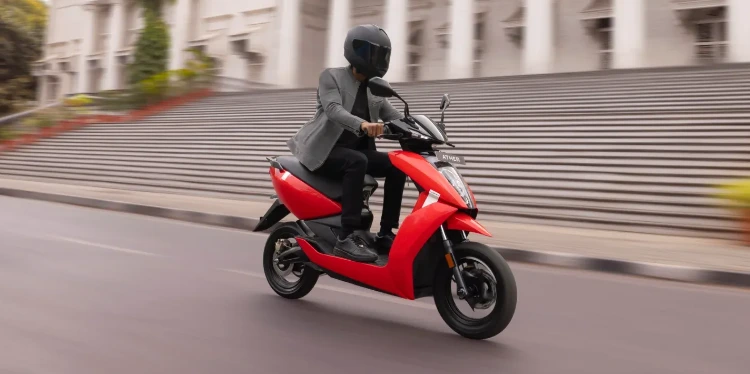
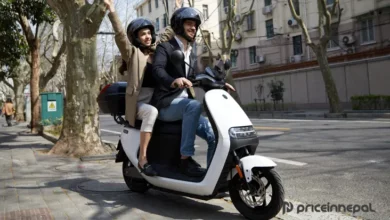
The landscape of urban transportation in Nepal is undergoing a radical transformation. As global fuel prices fluctuate and environmental concerns take center stage, the demand for electric scooters in Nepal has surged to unprecedented levels. While the four-wheeler EV market gained momentum early on, the two-wheeler segment is now catching up rapidly, driven by a combination of rising petrol costs and the arrival of high-quality, reliable international brands. Among the dozens of manufacturers entering the fray, three Indian brands have emerged as the clear frontrunners, capturing the trust of Nepalese consumers through superior technology, robust service networks, and impressive performance.
The Shift Toward Electric Mobility in Nepal
The transition to electric vehicles (EVs) in Nepal is no longer just a trend; it is an economic necessity. Recent geopolitical tensions in the Middle East have led to unpredictable spikes in fuel prices, making traditional internal combustion engine (ICE) scooters increasingly expensive to operate. Consequently, the Nepalese market, which currently hosts over three dozen electric scooter brands, is seeing a significant shift in consumer preference. While Chinese brands are numerous in terms of sheer variety, Indian manufacturers have secured a dominant market share. This dominance is largely attributed to the established legacy of these brands, the ease of sourcing spare parts, and a comprehensive service infrastructure that ensures long-term reliability for the owner.
Why Indian EV Brands are Leading the Nepalese Market
Indian electric scooters are often perceived as more suitable for Nepal’s unique terrain and climate. Brands like Ather, TVS, and Bajaj have spent years refining their products for the Indian subcontinent, which shares similar road conditions with Nepal. Consumers are increasingly prioritizing brand legacy and after-sales support over the lower initial price points of lesser-known imports. According to reports from the International Energy Agency (IEA), the regional adoption of EVs is heavily influenced by the availability of charging infrastructure and the reliability of the battery management systems—areas where Indian manufacturers have made significant investments.
Ather Energy: The Tech-Forward Choice for Modern Riders
Ather Energy has positioned itself as the premium benchmark in the Nepalese EV space. Distributed by Vaidya’s Energy, Ather offers two distinct lineups: the sporty 450 series and the family-oriented Rizta. The Ather 450 series is designed for those who crave performance and sharp handling, while the Ather Rizta focuses on comfort, featuring a larger seat and ample storage space for daily errands.
Ather Specifications and Features
- Ather 450S: Equipped with a 2.9 kWh battery pack.
- Ather 450X: Available in two battery variants—2.9 kWh and 3.7 kWh.
- Ather Rizta: The ‘S’ variant comes with a 2.9 kWh battery, while the ‘Z’ variant boasts a 3.9 kWh battery.
- Performance: The Rizta features a 4.3 kW motor, whereas the 450 series utilizes a more powerful 5.4 kW motor.
Ather scooters are renowned for their smart features, including a touchscreen dashboard, Google Maps integration, fast charging capabilities, and traction control. With a range varying between 120 km and 160 km depending on the battery configuration, Ather remains a top choice for tech-savvy commuters. Prices start at approximately NPR 2,94,900 for the Rizta and NPR 3,24,999 for the 450 series.
TVS iQube: The Practical and Reliable Family Scooter
The TVS iQube has successfully translated its massive popularity in India to the Nepalese market. Distributed by Jagdamba Motors, the iQube is celebrated for its conventional design that appeals to all age groups. It doesn’t look like a futuristic experiment; it looks like a high-quality scooter that just happens to be electric. This familiarity, combined with TVS’s extensive service network in Nepal, makes it a safe bet for first-time EV buyers.
The iQube is available with two battery options: 2.2 kWh and 3.5 kWh. Powered by a 4.4 kW motor, it delivers a consistent range of over 100 km on a single charge. The top-tier variants include a TFT touchscreen, smartphone connectivity via SmartXonnect, and a useful reverse assist feature. With a starting price of NPR 2,79,900, it offers a balanced mix of affordability and modern utility, making it ideal for office commutes and family use.
Bajaj Chetak: Combining Classic Heritage with Modern Durability
The Bajaj Chetak name carries immense nostalgic value, but the modern electric version is all about future-proof engineering. Distributed by Hansraj Hulaschand & Co., the Chetak stands out for its all-metal body, providing a level of durability and premium feel that plastic-bodied competitors struggle to match. In Nepal, the Chetak 3501 model has become a focal point for those who value longevity and classic aesthetics.
The Chetak features a 3.5 kWh battery paired with a 950-watt motor, optimized for efficiency and smooth power delivery. It offers an impressive range of up to 150 km per full charge, one of the highest in its segment. Key features include regenerative braking, which helps top up the battery during deceleration, and a sleek digital display. For riders who want a sturdy, “built-to-last” vehicle for daily city travel, the Chetak—priced at NPR 3,24,900—is a compelling option.
Comparison of Key Specifications
| Feature | Ather 450X / Rizta | TVS iQube | Bajaj Chetak |
|---|---|---|---|
| Battery Capacity | 2.9 kWh to 3.9 kWh | 2.2 kWh to 3.5 kWh | 3.5 kWh |
| Claimed Range | 120 – 160 km | 100+ km | 150 km |
| Motor Power | 4.3 kW – 5.4 kW | 4.4 kW | 950 W |
| Starting Price (NPR) | 2,94,900 | 2,79,900 | 3,24,900 |
Conclusion: Choosing the Right Electric Scooter
The rise of Indian electric scooter brands in Nepal signifies a shift toward sustainable and cost-effective urban mobility. Each of these three brands caters to a specific type of rider. The TVS iQube is the go-to for those seeking a practical, reliable, and affordable family vehicle. Ather Energy is the undisputed leader for riders who prioritize cutting-edge technology, smart features, and high performance. Meanwhile, the Bajaj Chetak appeals to those who value iconic design and the ruggedness of a metal build. As the charging infrastructure continues to expand across Nepal, these brands are well-positioned to lead the country into a cleaner, greener automotive future.
Frequently Asked Questions
1. Why are Indian electric scooters more popular in Nepal than Chinese ones?
While Chinese brands offer more variety, Indian brands like TVS, Bajaj, and Ather have better established service networks, easier access to spare parts, and a reputation for building vehicles that suit the local terrain and climate.
2. What is the average range of these electric scooters?
Most popular Indian electric scooters in Nepal offer a real-world range between 100 km and 150 km on a single charge, depending on the battery size and riding mode (Eco, Ride, or Sport).
3. Are there enough charging stations in Nepal for these scooters?
While public fast-charging infrastructure is still growing, most users primarily charge their scooters at home overnight using a standard wall socket, which is sufficient for daily city commuting.